Recognizing the achievements of early career researchers |  | Congratulations to the Winner of the 2023 Biomicrofluidics Best Paper Award | The Biomicrofluidics Best Paper Award celebrates outstanding research contributions in the fields of micro- and nanofluidics by emerging authors.
Candidates for the award must have published a manuscript in the journal in the award year, be the lead author for the selected paper, and be 40 years of age or younger.
An expert panel of judges has reviewed all eligible papers for their scientific content and research excellence, and we are delighted to announce that the winner of the 2023 Best Paper Award is…Hao (Harry) Wang. | | Do You Have an Award-Winning Paper? | Contribute your work to be considered for the next Biomicrofluidics Best Paper Award. | | | | | | | Hao Wang earned dual bachelor's degrees in biomedical & health sciences and engineering and computer science from UNC–Chapel Hill, North Carolina, USA. He is now a Ph.D. candidate in bioengineering at Caltech, where he is studying developmental biology and active matter systems.
Hao's research explores how microenvironments, such as tiny pressure differences and slow fluid flows, guide the development of tissues. To do that, he built small, lifelike tissue models that mimic the body's environment to test cause and effect, investigating which mechanical cues tell cells to build or prune vessels and how we can recreate those cues in the lab to better predict therapy responses. | | | I am truly honored to receive this award. I hope the recognition brings more attention to simple, low-cost tools that let labs control pressure and flow in realistic tissue models. If more researchers use these methods, we can speed up discoveries about how diseases progress—and ultimately inform better treatments in areas like cancer and cardiovascular disease.
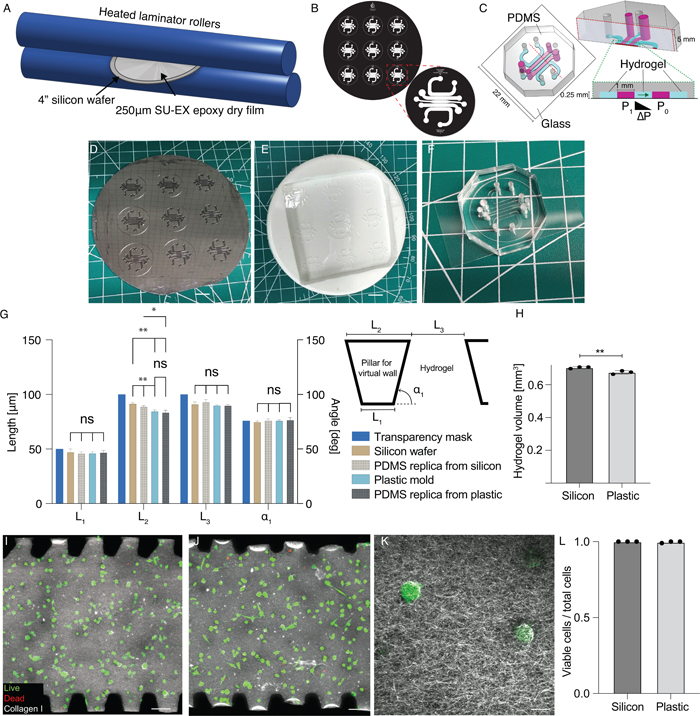
| | - Hao Wang California Institute of Technology, USA | | | | | READ HAO'S AWARD-WINNING PAPER | A facile fluid pressure system reveals differential cellular response to interstitial pressure gradients and flow Hao Wang, Jingming Lu, Mitesh Rathod, Wen Yih Aw, et al.
READ MORE >
| | | | | With a simple experimental setup that enables fluidic pressure to be controlled down to sub-Pascal levels, Hao et al. demonstrate that cellular responses are governed not only by flow but also by interstitial pressure. This insight represents an advance in mechanobiology, opening avenues for studying the role of pressure in cellular processes and disease states, while potentially offering a versatile new lever to guide downstream cell fates in autologous cell engineering.
I would like to congratulate Hao Wang on this outstanding research contribution and on receiving the 2023 Biomicrofluidics Best Paper Award.
| | - Leslie Y. Yeo, RMIT University, Melbourne, Australia Editor-in-Chief of Biomicrofluidics | | | | | The Editorial Board would like to thank the following members of the award committee for volunteering their time to evaluate the papers and determine this year's winner. | | | Daeyeon Lee, University of Pennsylvania, USA | | | | Steve Lee, The Australian National University, Canberra, Australia | | | | Chang Lu, Virginia Tech, USA | | | | 2023 BMF BEST PAPER AWARD FINALISTS | And finally, a big thank you to all the authors who submitted a paper for consideration for the 2023 BMF Best Paper Award. The editors are grateful to each author for their contribution and support of the journal.
Please explore a selection of their papers below. | |
|
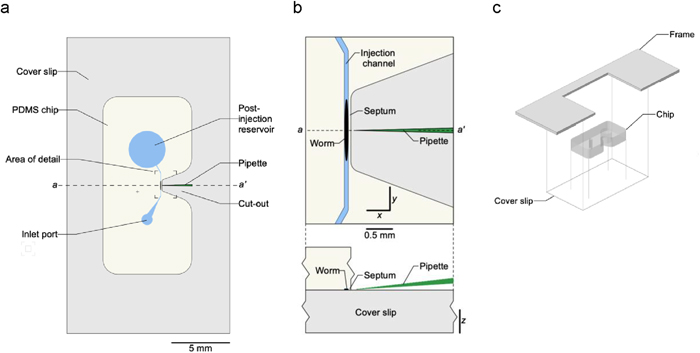
Microinjection in C. elegans by direct penetration of elastomeric membranes Shawn R. Lockery, Stelian Pop, Benjamin Jussila
READ MORE >
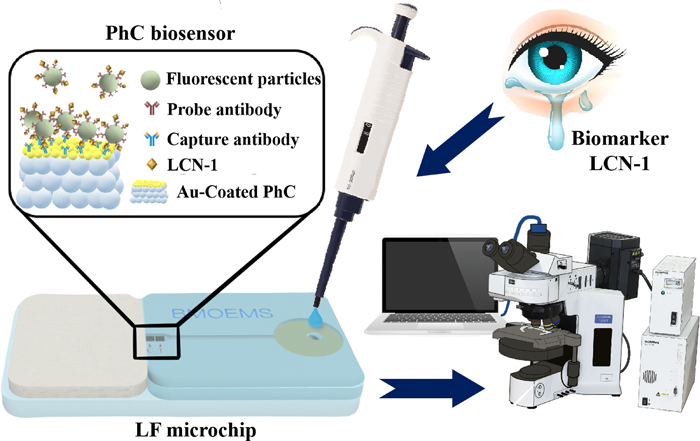
| | | Photonic crystal enhanced immunofluorescence biosensor integrated with a lateral flow microchip: Toward rapid tear-based diabetic retinopathy screening Li-Ying Chen, Sheng-Min Hsu, Jhih-Cheng Wang, Tai-Hua Yang, et al.
READ MORE >
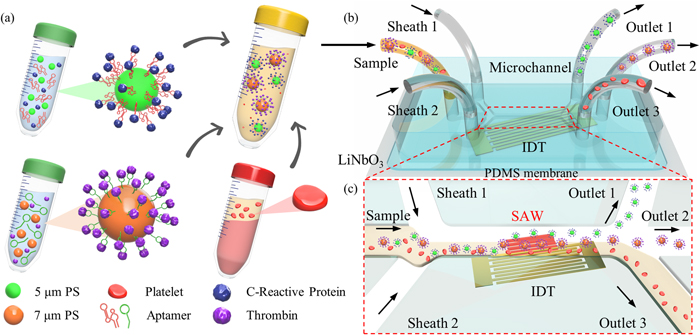
| | | Acoustofluidic separation of proteins from platelets in human blood plasma using aptamer-functionalized microparticles Song Ha Lee, Beomseok Cha, Jeongu Ko, Muhammad Afzal, et al.
READ MORE >
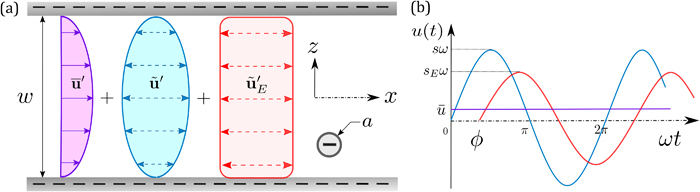
| | | Synchronous oscillatory electro-inertial focusing of microparticles Giridar Vishwanathan, Gabriel Juarez
READ MORE >
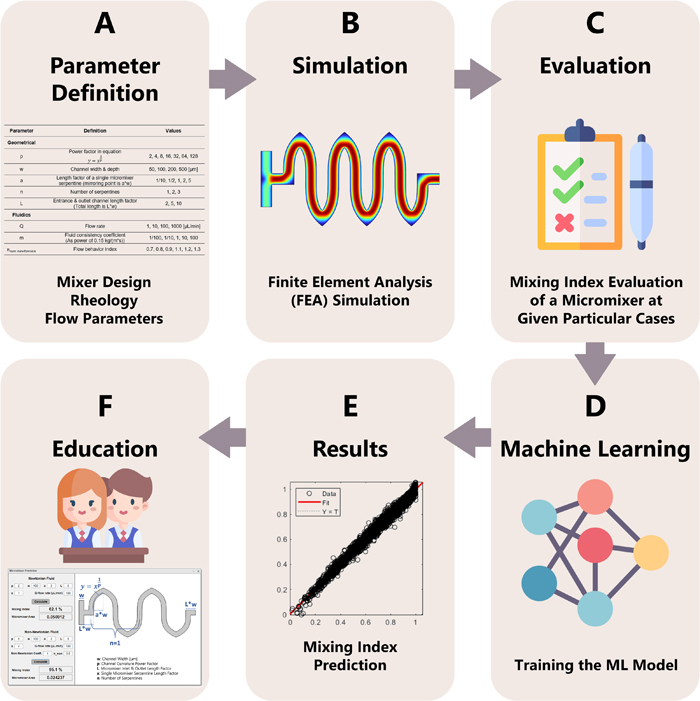
| | | Machine learning-augmented fluid dynamics simulations for micromixer educational module Mehmet Tugrul Birtek, M. Munzer Alseed, Misagh Rezapour Sarabi, Abdollah Ahmadpour, et al.
READ MORE >
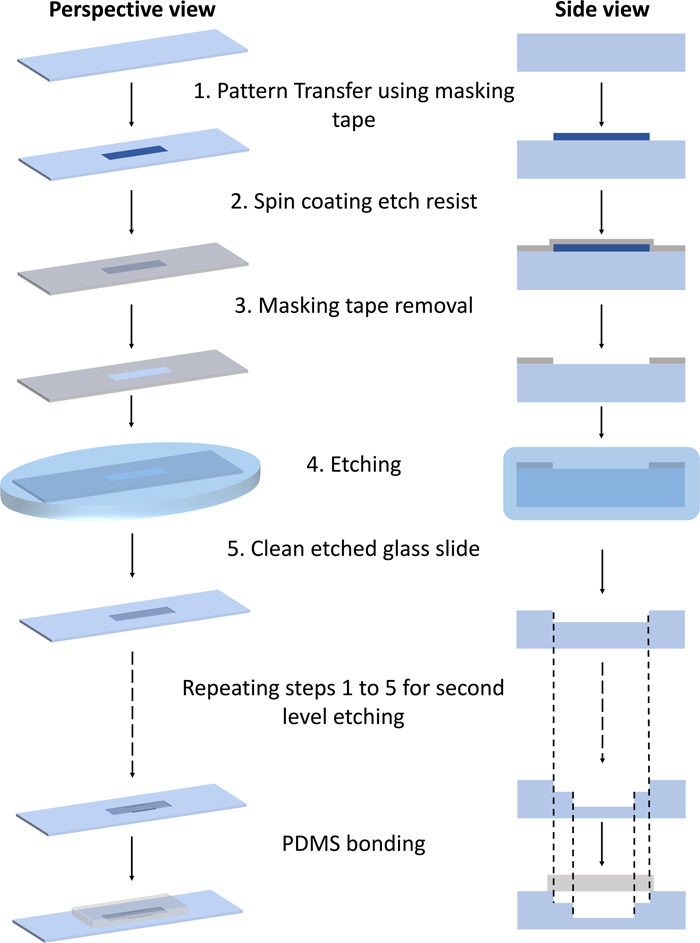
| | | Microfluidics based bioimaging with cost-efficient fabrication of multi-level micrometer-sized trenches Anand Anilkumar, Abhilasha Batra, Santanu Talukder, Rati Sharma
READ MORE >
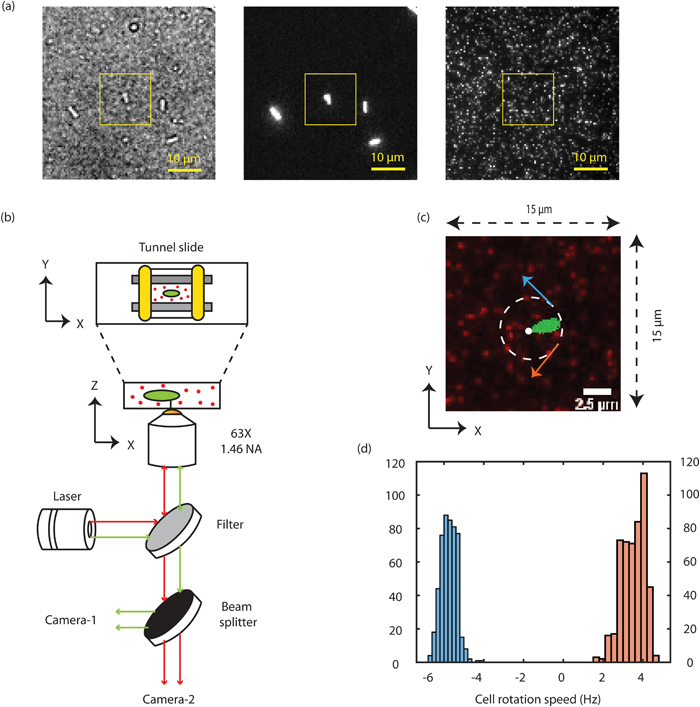
| | |  Microbial stir bars: Light-activated rotation of tethered bacterial cells to enhance mixing in stagnant fluids Microbial stir bars: Light-activated rotation of tethered bacterial cells to enhance mixing in stagnant fluids Jyoti P. Gurung, Moein Navvab Kashani, Charitha M. de Silva, Matthew A. B. Baker
READ MORE >
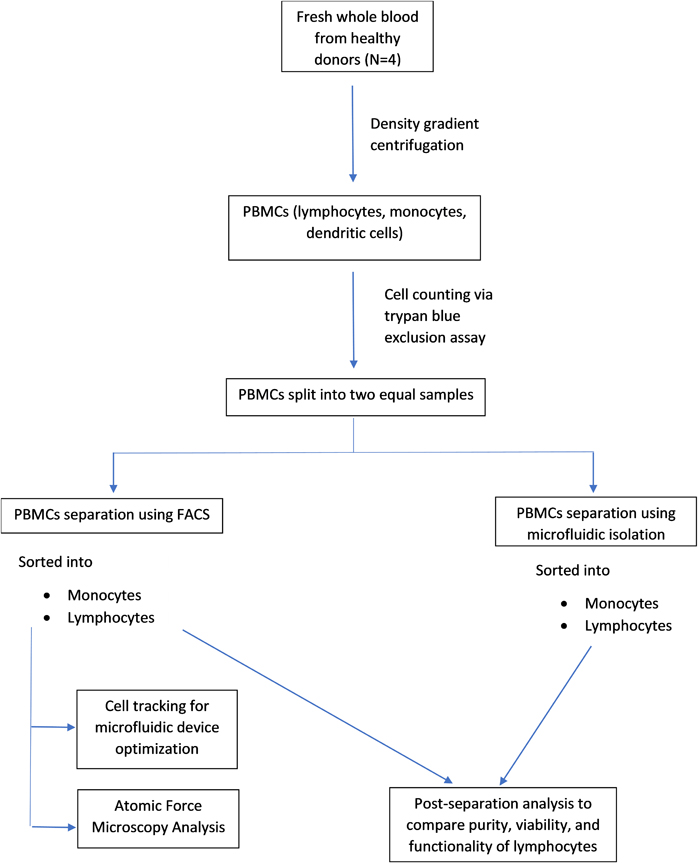
| | | Label-free microfluidic isolation of functional and viable lymphocytes from peripheral blood mononuclear cells Abhishek Raj, Katily Ramirez, Katherine M. Young, Nicholas Stone, et al.
READ MORE >
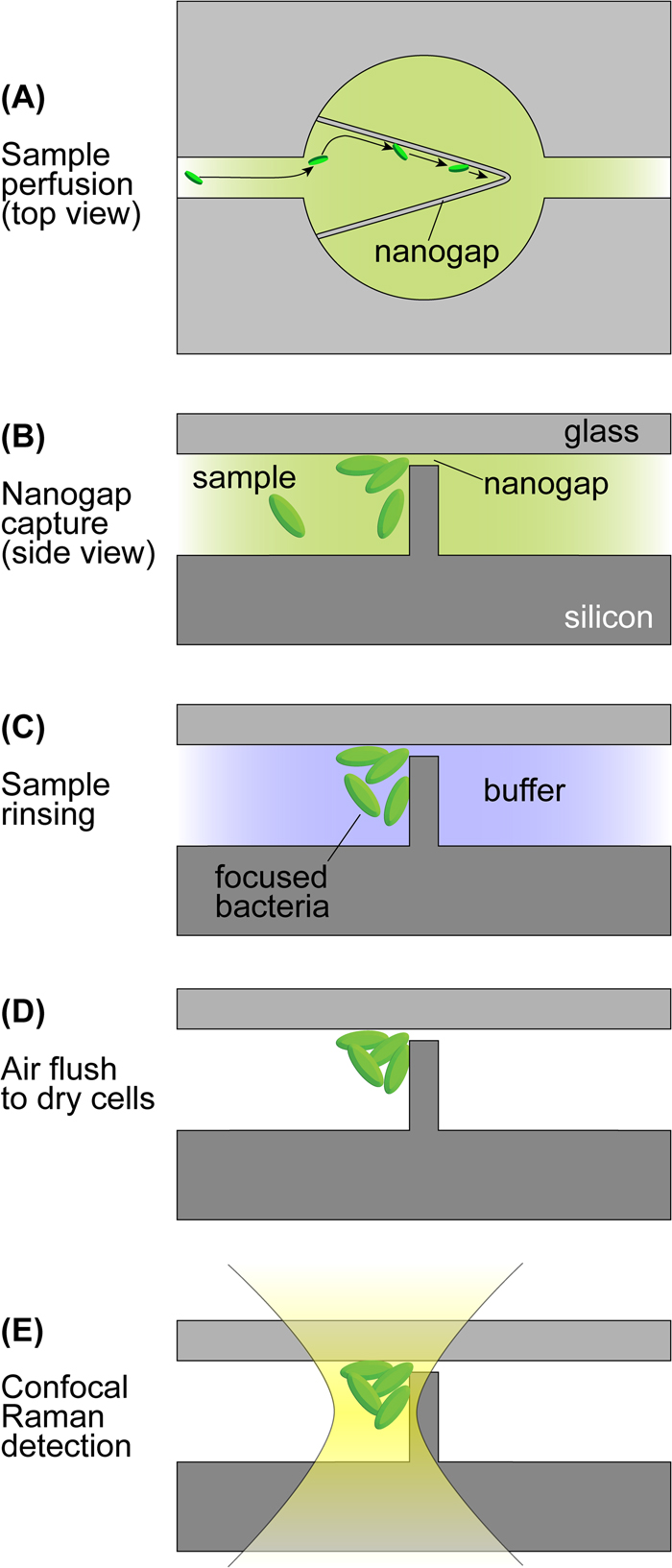
| | | Nanogap traps for passive bacteria concentration and single-point confocal Raman spectroscopy Jung Y. Han, Michael Yeh, Don L. DeVoe
READ MORE >
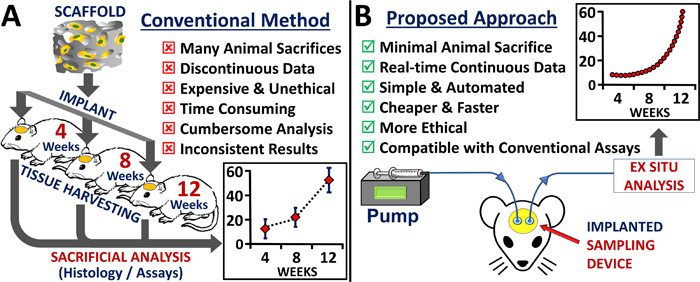
| | | Addressable microfluidics technology for non-sacrificial analysis of biomaterial implants in vivo Minh Nguyen, Anh Tong, Mark Volosov, Shreya Madhavarapu, et al.
READ MORE >
| | | | | | | |  | Follow us on social media | | | Copyright © 2026 AIP Publishing. All rights reserved. 1305 Walt Whitman Rd., Melville, NY 11747
You are receiving this email because you have opted-in to receive alerts from us. To guarantee delivery of this email please add journals@aip-info.org to your address book and safe senders list.
If you no longer wish to receive emails from us then please unsubscribe or amend your settings.
Privacy Policy
| | | | | | |





No comments:
Post a Comment