Learn more about the newest members! |  | Introducing the 2026 Early Career Editorial Advisory Board | We are thrilled to welcome the newest members of the APL Photonics Early Career Editorial Advisory Board (ECEAB). These board members are selected each year in a highly competitive application process by a committee of our existing editorial advisory board. The ECEAB allows us to recognize excellence in our early career researchers and to hear their perspectives as future leaders in their field. These members advise our Editors on matters of specific significance to early career researchers, on the scientific and educational content of the journal, and on editorial policy.
Please join us in congratulating our new board members and learn more about them below! | | | Being part of the APL Photonics Early Career Advisory Board is a great honor and an exciting opportunity to contribute to a journal that plays a key role in shaping the photonics community. I look forward to supporting initiatives that highlight emerging research directions and strengthen the visibility of early-career researchers in our field.
| | | | | Mario Ferraro is a tenure-track researcher in the Department of Physics at the University of Calabria, Italy. He obtained his PhD in Physics from Université Côte d'Azur in 2019. He then carried out postdoctoral research at Sapienza University of Rome and, as a Marie Skłodowska-Curie Fellow, at the CNRS ICB Laboratory of the University of Burgundy.
His research activity focuses on multimode fiber optics, with particular emphasis on the thermodynamic and statistical-mechanics description of light nonlinear propagation. He investigates beam self-cleaning phenomena and the physics of specialty optical fibers, as well as their characterization using optical and X-ray-based techniques. | FAVORITE PAPER IN APL PHOTONICS |  Multimode nonlinear fiber optics, a spatiotemporal avenue Multimode nonlinear fiber optics, a spatiotemporal avenue Katarzyna Krupa, Alessandro Tonello, Alain Barthélémy, Tigran Mansuryan, et al.
READ MORE >
| | | Being a part of the Early Career Editorial Advisory Board for APL Photonics is a special opportunity to give back to the photonics community that played a central role in my growth as a researcher.
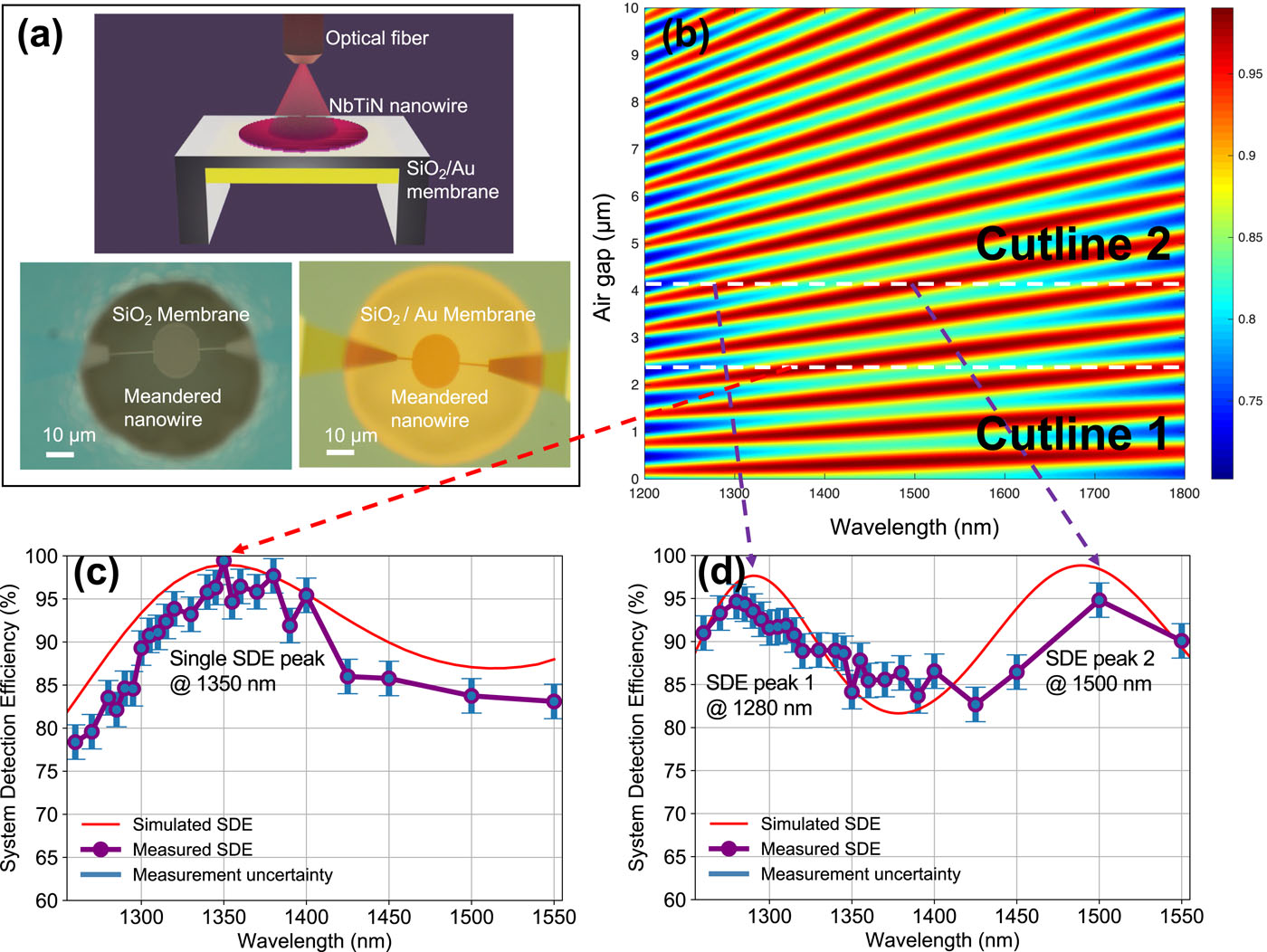
| - Marco Colangelo, Electrical and Computer Engineering, Northeastern University | | | | | Dr. Colangelo is an Assistant Professor of Electrical Engineering at Northeastern University. He conducts research at the intersection of superconducting nanodevices, quantum hardware, and advanced nanofabrication, with a strong focus on photonic and optoelectronic systems. His group develops superconducting nanowire technologies for single-photon detection, microwave–optical interfaces, and ultra-low-latency signal processing, enabling new architectures for quantum photonics and integrated photonic platforms. Dr. Colangelo maintains close collaborations with national laboratories and industry partners, and is deeply committed to mentoring undergraduate and graduate researchers. In parallel, he is engaged in technology transfer, advancing the integration and scalability of next-generation superconducting, photonic, and electronic devices. | FAVORITE PAPER IN APL PHOTONICS |  Detecting telecom single photons with 99.5−2.07+0.5% system detection efficiency and high time resolution Detecting telecom single photons with 99.5−2.07+0.5% system detection efficiency and high time resolution J. Chang, J. W. N. Los, J. O. Tenorio-Pearl, N. Noordzij, et al.
READ MORE >
| | | Being part of the APL Photonics ECEAB is an opportunity to shape the future of optics by supporting rigorous and innovative research. I look forward to contributing my expertise in nanophotonic hardware and integration to help curate a diverse portfolio of papers that define the state-of-the-art in photonic systems and their potential applications.
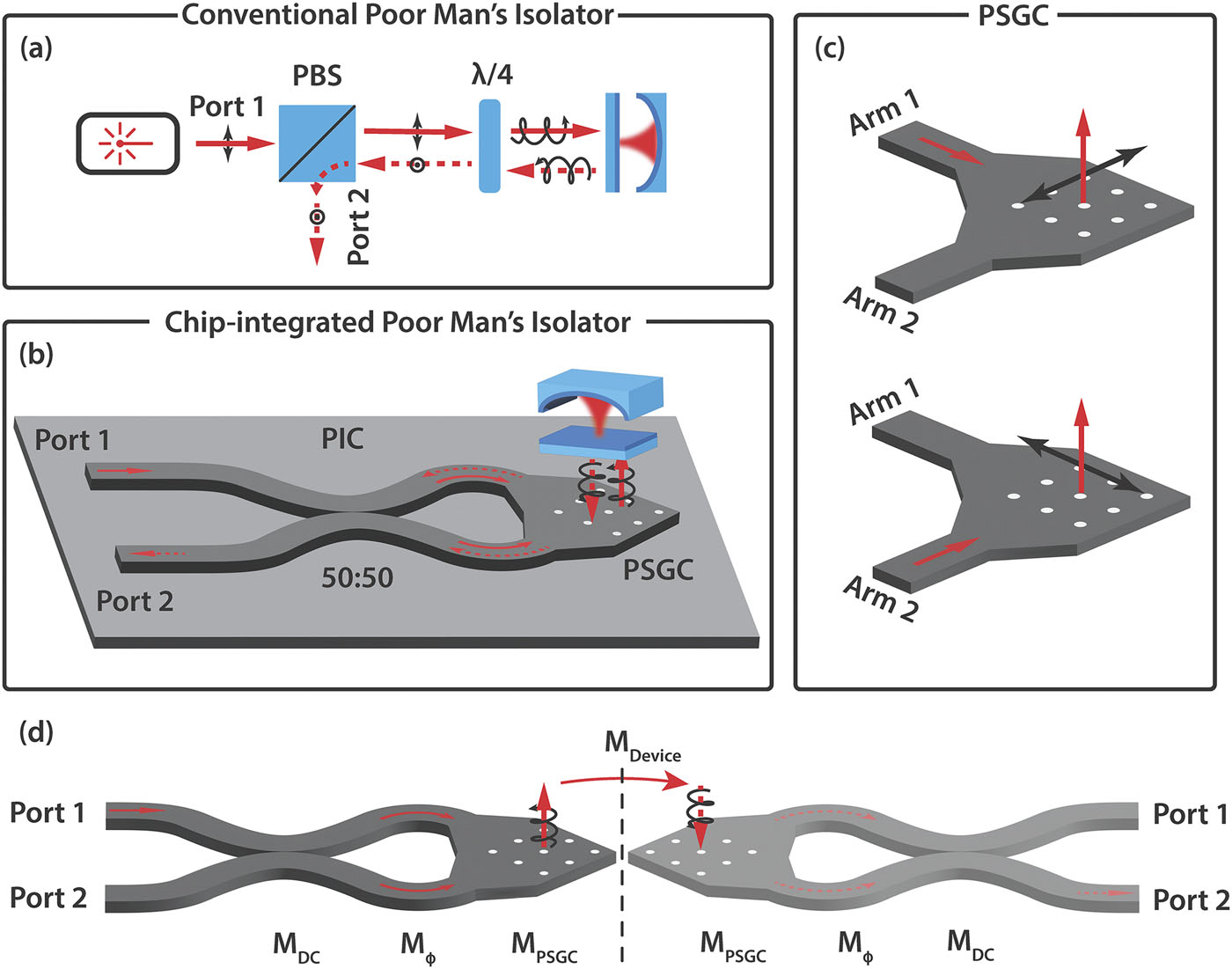
| | | | | Hyounghan Kwon is a Senior Research Scientist at the Center for Quantum Technology, Korea Institute of Science and Technology (KIST). His research focuses on developing scalable and high performance quantum photonic systems by leveraging advanced nanofabrication techniques. Specifically, he investigates integrated quantum/nonlinear optics, nano-scale optical hardware for quantum systems, inverse-designed nanophotonic devices, and free-space optical elements driven by metamaterials. Before joining KIST, he gained extensive expertise in nanophotonics. His work aims to bridge the gap between fundamental quantum physics and practical engineering to realize next-generation integrated photonic devices. | FAVORITE PAPER IN APL PHOTONICS | A novel approach to interface high-Q Fabry–Pérot resonators with photonic circuits Haotian Cheng, Naijun Jin, Zhaowei Dai, Chao Xiang, et al.
READ MORE >
| | | Being part of the Early Career Editorial Advisory Board of APL Photonics is an honor and an opportunity to contribute to shaping the future direction of the field. I am excited to help promote rigorous, impactful, and inclusive photonics research, particularly at the interface of fundamental physics and emerging device platforms.
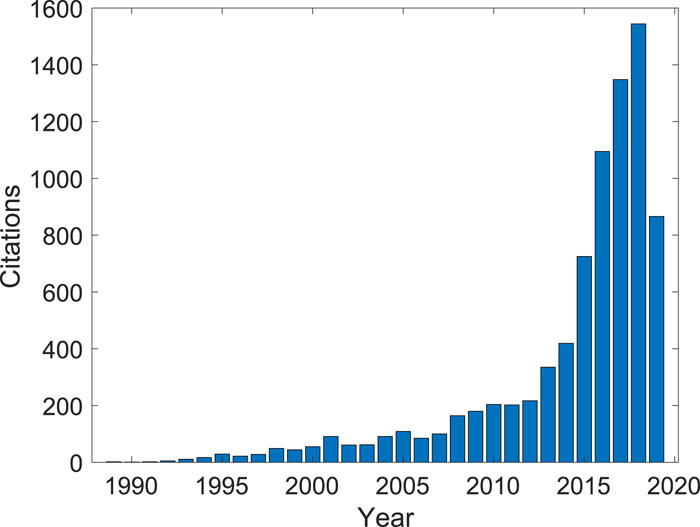
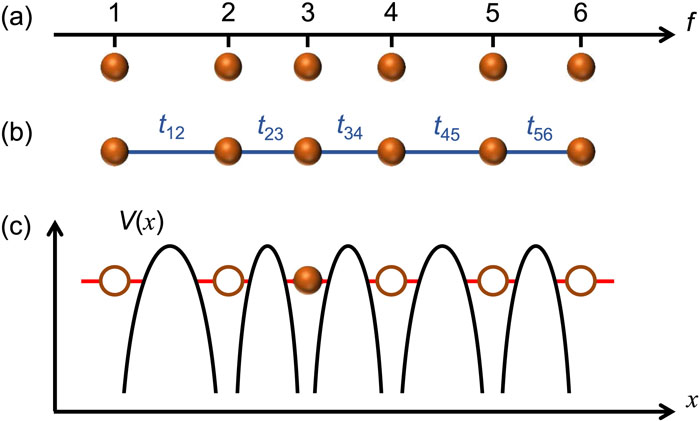
| - Haoning Tang, Massachusetts Institute of Technology, Department of Mechanical Engineering | | | | | Dr. Haoning Tang is an Assistant Professor of Mechanical Engineering at MIT (starting July 2026) and an Adjunct Assistant Professor in Electrical Engineering and Computer Sciences at UC Berkeley. She was a Harvard Quantum Initiative Postdoctoral Fellow at Harvard University and received her Ph.D. in Applied Physics from Harvard, with a bachelor's degree in Electronic and Computer Engineering from the Hong Kong University of Science and Technology. Her honors include the Rising Star of Light Award and the Harvard Quantum Initiative and Hong Kong Jockey Club Fellowships. Her lab conducts interdisciplinary research in nanophotonics, metamaterials, quantum materials, and MEMS-enabled platforms, focusing on in situ tunable and hyper-reconfigurable photonic devices. | FAVORITE PAPER IN APL PHOTONICS | Synthetic frequency dimensions in dynamically modulated ring resonators Luqi Yuan, Avik Dutt, Shanhui Fan
READ MORE >
| | | Being part of the ECEAB for APL Photonics gives me the opportunity not only to learn some aspect of the editorial process, but also will allow me to broaden my perspective on photonics by engaging with a diverse range of applications and methods across the field. I am also looking forward to engaging with the broader photonics community and contributing with some perspectives from materials driven photonics, spanning nanomaterials, luminescent solar concentrators, and time-resolved pump– probe spectroscopy of slower dynamics in solar energy-conversion devices.
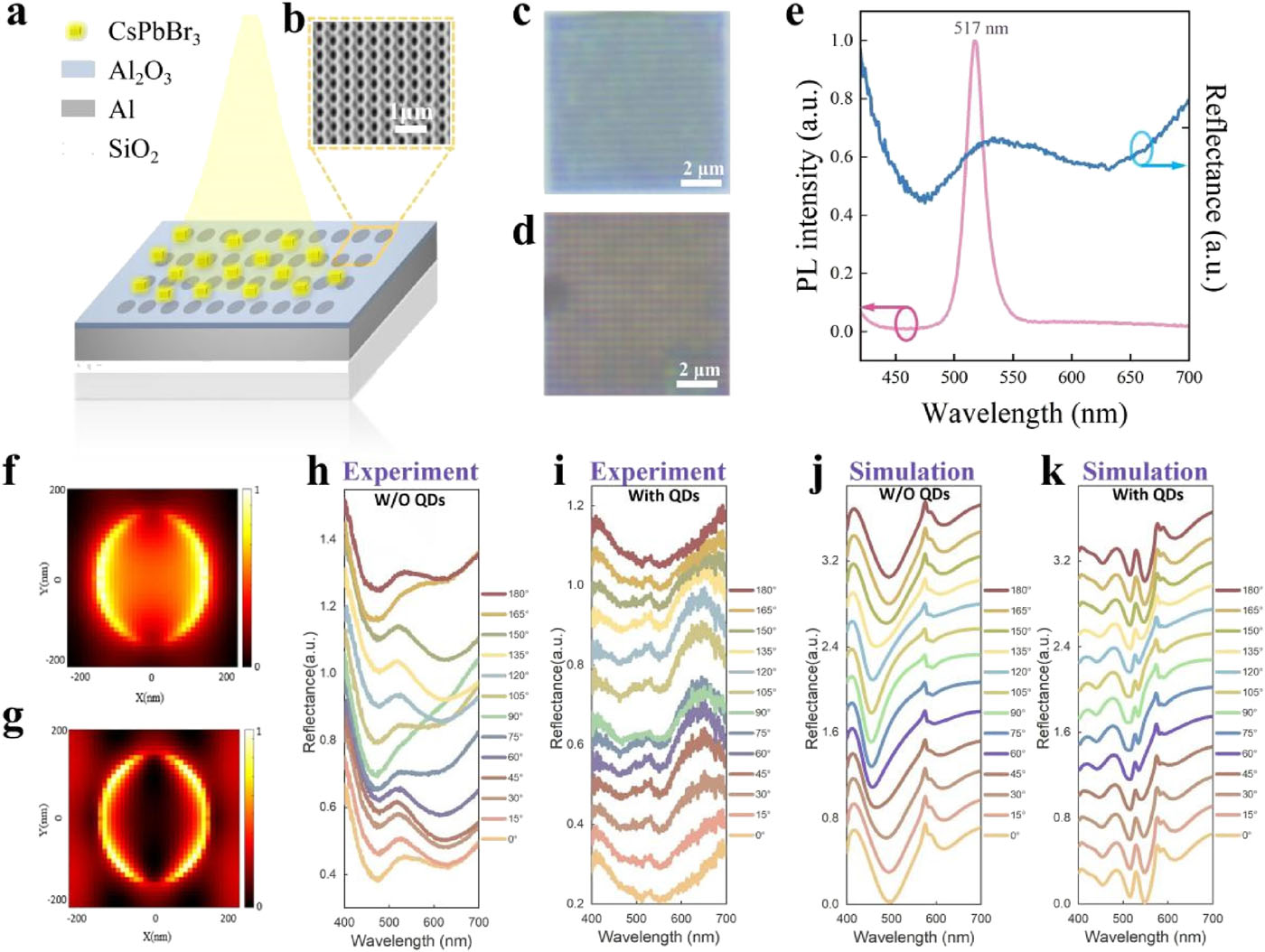
| | | | | Dr. Daniele Benetti is currently a UKRI Research Fellow in the Department of Chemistry at Imperial College London. His research focuses on materials-driven light–matter interactions and the control of interfacial processes, spanning the synthesis of nanostructures and the use of time-resolved operando optical spectroscopy to study charge kinetics in energy-conversion systems. He received his Ph.D. from the Institut national de la recherche scientifique (INRS), Canada, and was subsequently an FRQNT Fellow at McGill University. He later moved to Imperial College London to pursue his Marie Skłodowska Curie Fellowship. | FAVORITE PAPER IN APL PHOTONICS | Exciton–plasmon coupling and light field manipulation within perovskite quantum dot-decorated aluminum metasurfaces Yuan Tian, Zhitong Sun, Hong Liu, Yongsheng Hu, et al.
READ MORE >
| | | I'm honored and excited to be a part of the ECEAB for APL Photonics and help bring in fresh perspective on current important topics in photonics. Currently, photonics sits at the forefront of critical technologies such as artificial intelligence and quantum computing, and I would love to help develop special topics in APL and engage with the community to help produce novel and impactful publications in APL Photonics within those fields.
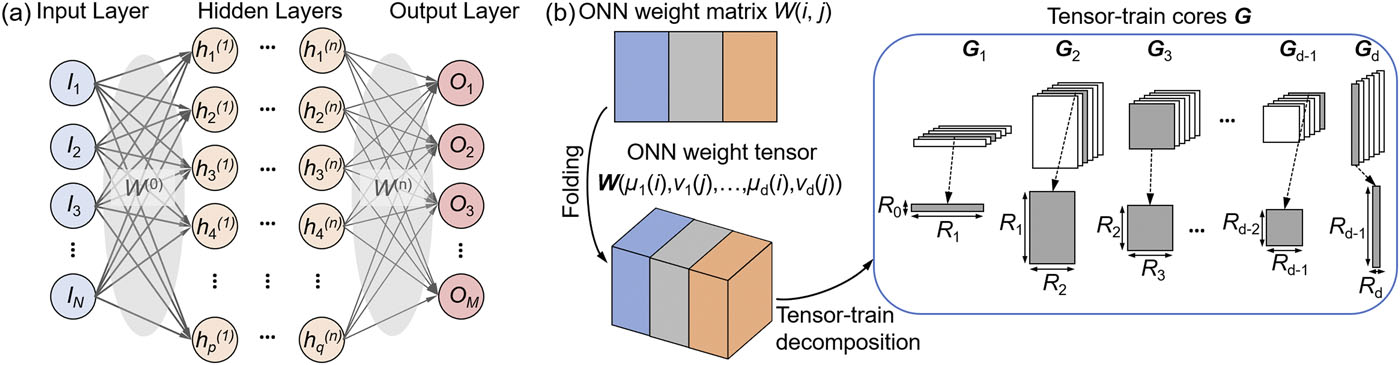
| | | | | Bassem Tossoun is a principal research scientist at Hewlett Packard Labs focusing on optical computing technology from diverse optoelectronic materials and devices to large-scale programmable photonic integrated circuits and architectures. Themes of his research include the heterogenous integration of various dissimilar materials on an integrated photonic platform to leverage the strengths of different materials and enhance both energy-efficiency and scalability, the development and characterization of novel photonic non-volatile memory materials and devices for in-memory optical computing, and the co-integration of emerging electronic and photonic devices to create new capabilities in storing, processing, and communicating information. | FAVORITE PAPER IN APL PHOTONICS | Large-scale and energy-efficient tensorized optical neural networks on III–V-on-silicon MOSCAP platform Xian Xiao, Mehmet Berkay On, Thomas Van Vaerenbergh, Di Liang, et al.
READ MORE >
| | | We encourage you to apply or nominate a worthy colleague for the next cohort. Applications for the 2027 cohort close on April 30th, 2026. | | | |  | Follow us on social media | | | Copyright © 2026 AIP Publishing. All rights reserved. 1305 Walt Whitman Rd., Melville, NY 11747
You are receiving this email because you have opted-in to receive alerts from us. To guarantee delivery of this email please add journals@aip-info.org to your address book and safe senders list.
If you no longer wish to receive emails from us then please unsubscribe or amend your settings.
Privacy Policy
| | | | | | |









No comments:
Post a Comment