Recently published open access research in bioelectronics and biosensors
|
 |
High-Quality Research in Bioelectronics and Biosensors
|
The following articles highlight recent advances in flexible and wearable bioelectronics, focusing on innovative materials, printed electronic devices, biomedical stimulation, physiological sensing, and the translation of emerging technologies toward clinical applications. Collectively, they demonstrate how scalable fabrication approaches and biocompatible materials can enable next-generation wearable and bioelectronic systems.
APL Electronic Devices publishes research around bioelectronics and biosensors, as well as all other areas of essential, practical, and multidisciplinary electronic devices research. The articles listed below highlight recent advances in this field.
|
|
As an open access journal, articles in APL Electronic Devices are always available to read, download, and share—no subscription needed.
|
|
|
|
|
|
|
|
In his recent editorial, Prof. Choi shares “recent contributions to APL Electronic Devices address requirements through advances in wearable sensors, biomolecular detection, soft actuators and power sources.” He continues with “At APL Electronic Devices, we encourage research that establishes these connections between materials, device physics and biological function. Particularly valuable directions include interfaces that preserve signal fidelity during physiological motion, feedback systems that verify therapeutic response, and power and encapsulation strategies matched to clinically relevant periods of operation. Progress in these areas, supported by reproducible fabrication and appropriate biological validation, can provide the basis for biomedical electronic systems that maintain their intended function throughout monitoring or treatment.”
|
|
- Yeonsik Choi,
Associate Editor, APL Electronic Devices
Yonsei University, Seoul, South Korea
|
|
|
|
|
|
Bioelectronics beyond proof-of-concept demonstration
Yeonsik Choi
APL Electronic Devices
READ MORE >
|
|
|
|
|
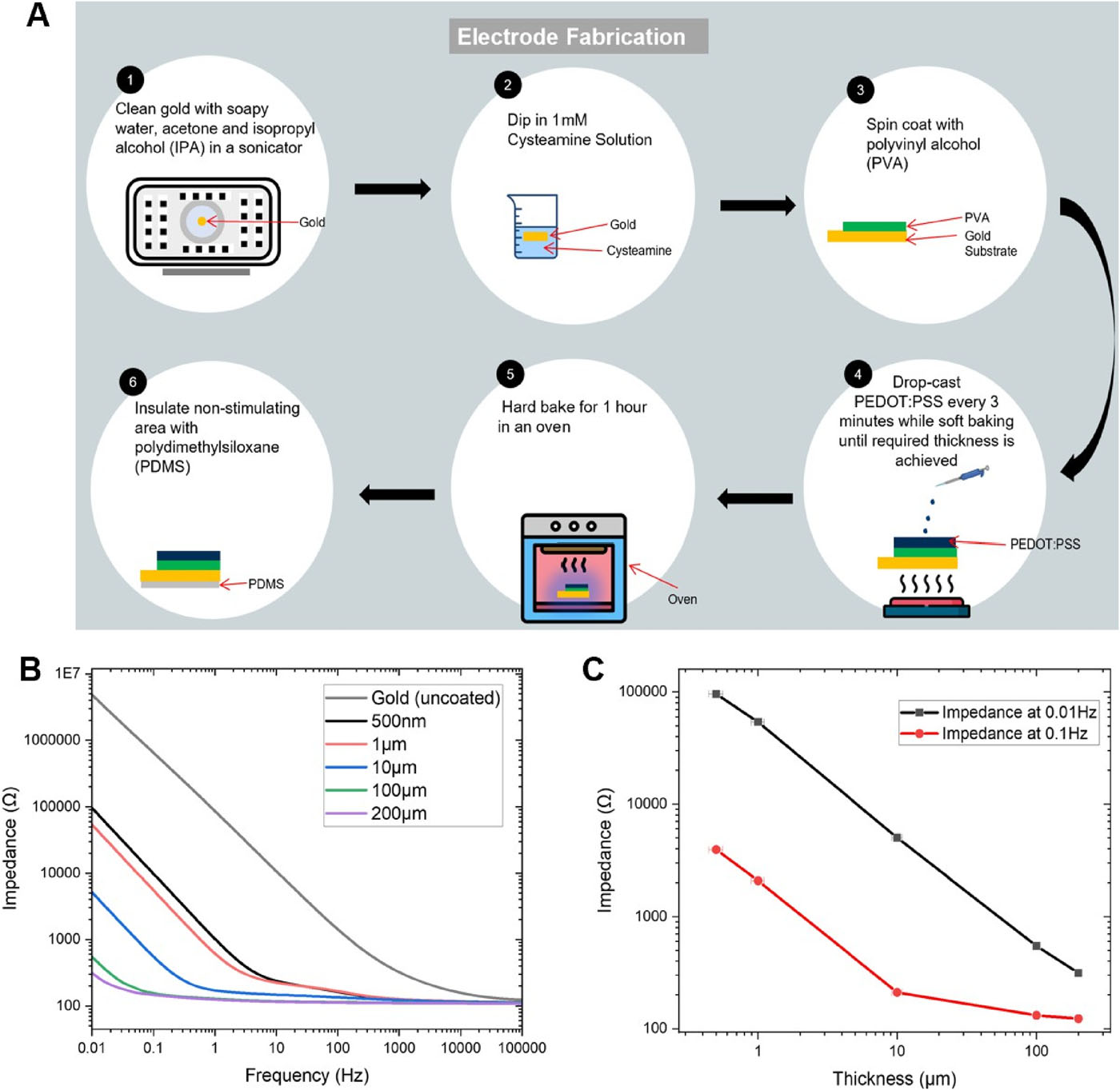
Thick conducting polymer films for ultra-low frequency stimulation
Yaw O. Ansong Snr, Christopher M. Proctor
APL Electron. Devices
READ MORE >
|
|
|
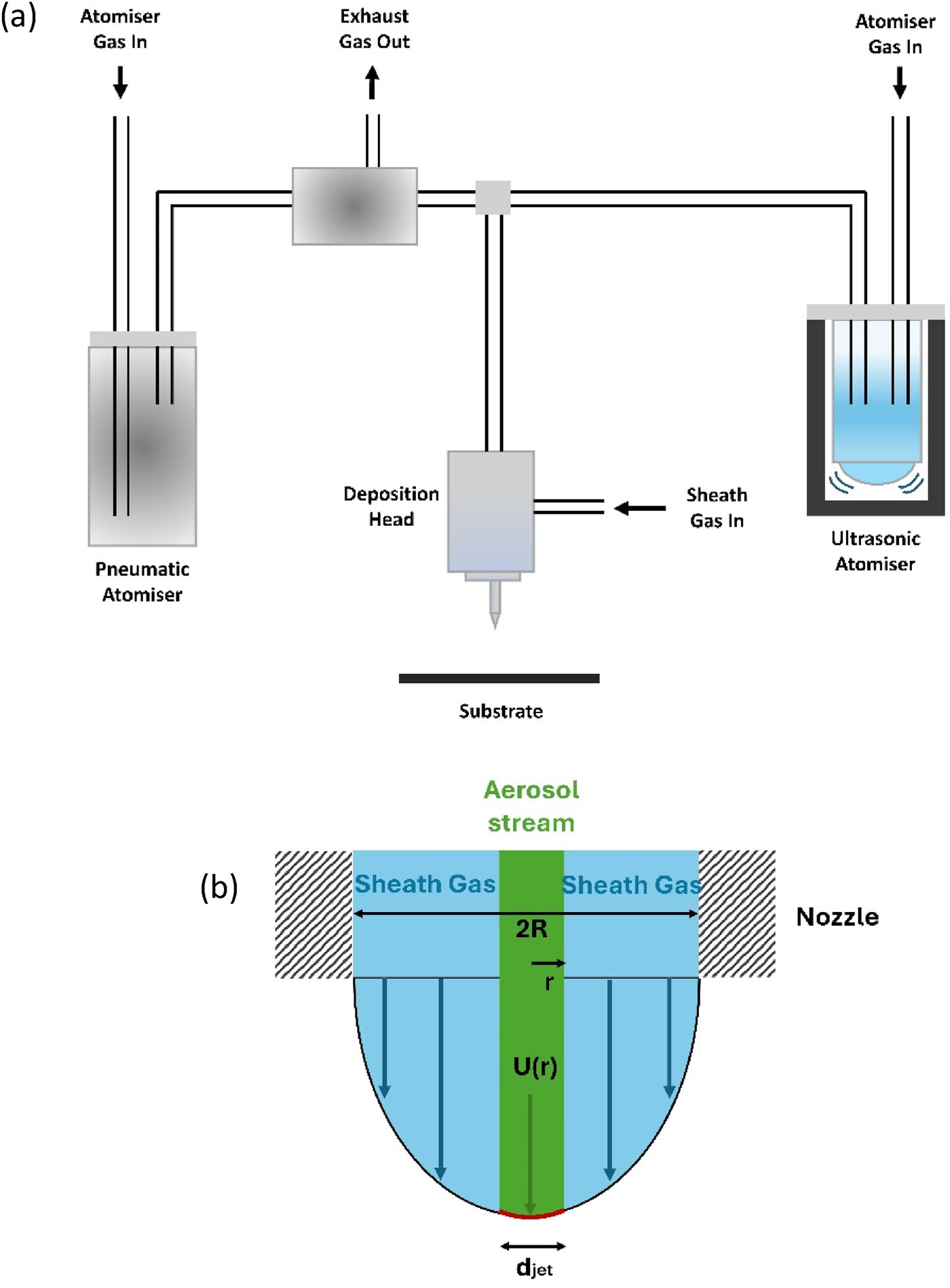
 Aerosol jet co-printing for flexible and conductive protein–metal electrodes Aerosol jet co-printing for flexible and conductive protein–metal electrodes
Yannan Zhou, Georgina H. Burgoyne Morris, Daniel V. Bax, Sohini Kar-Narayan, et al.
APL Electron. Devices
READ MORE >
|
|
|
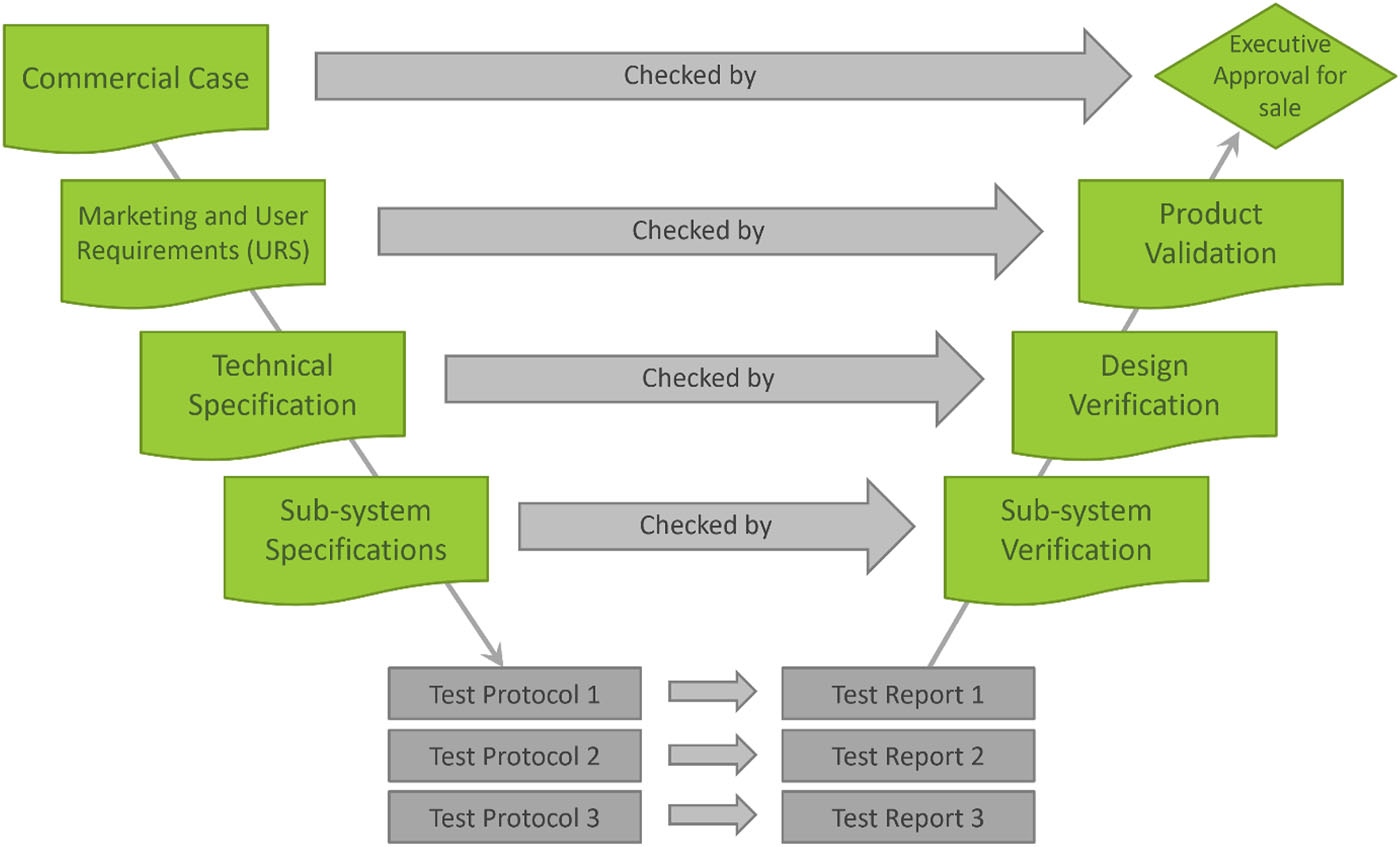
 Industry perspective: Challenges in commercializing academic biomedical and bioelectronic research Industry perspective: Challenges in commercializing academic biomedical and bioelectronic research
Jehangir Cama
APL Electron. Devices
READ MORE >
|
|
|
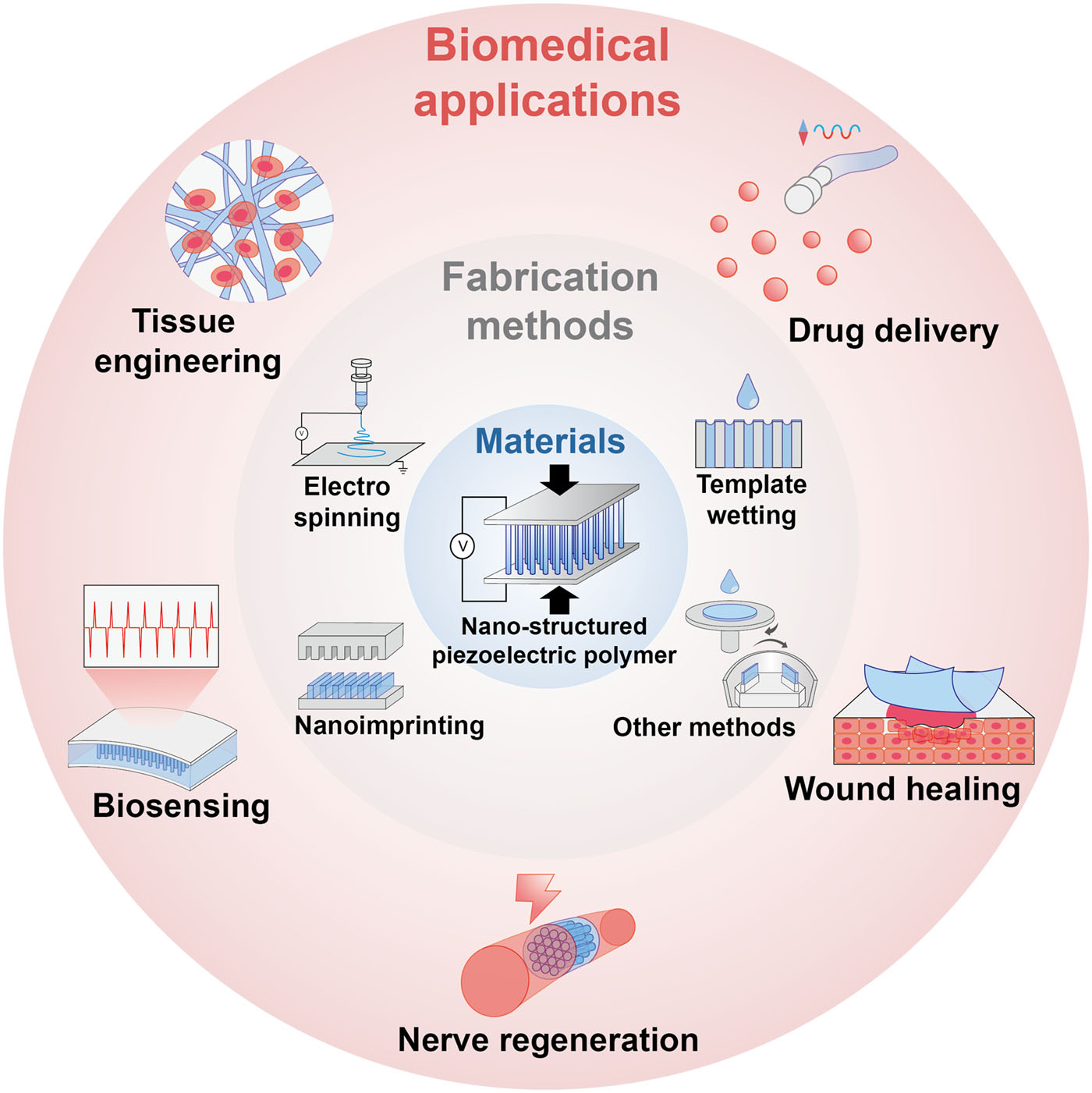
 Nano-structured piezoelectric polymers for biomedical application Nano-structured piezoelectric polymers for biomedical application
Gyuhyeon Sim, Hyungho Seo, Jung Hwangbo, Taekyu Kim, et al.
APL Electron. Devices
READ MORE >
|
|
|
Industry perspective: Wearable electronic devices for remote patient monitoring
Adam Nightingale, George Bird
APL Electron. Devices
READ MORE >
|
|
|
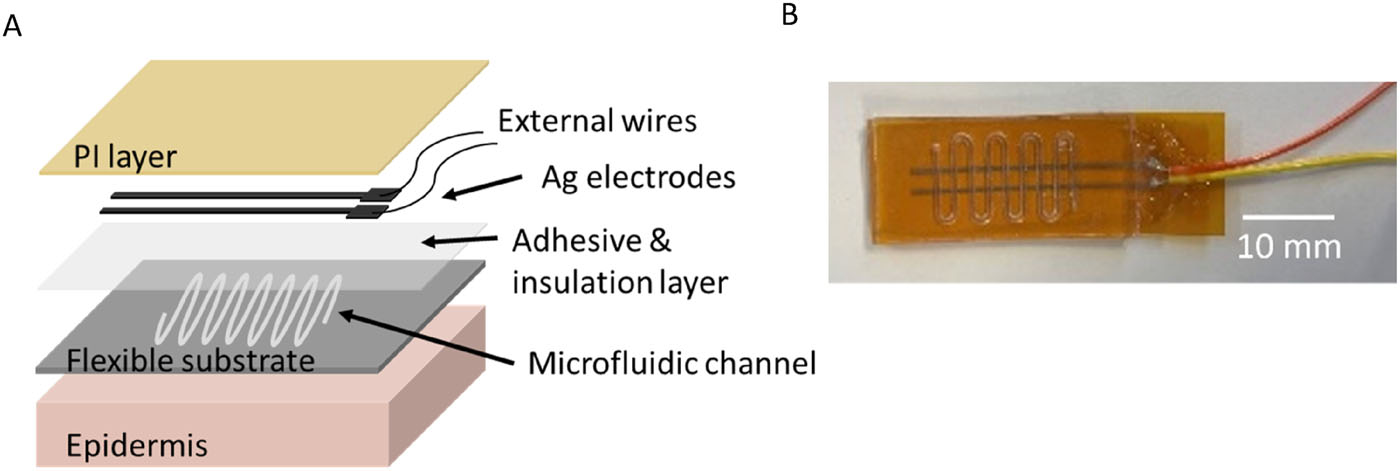
Flexible aerosol-jet-printed sweat rate sensors with SEBS-based microfluidic channels for enhanced accuracy and bending stability
Diandian Zhang, Ji Zhang, Qingshen Jing, Rijuta Jeswani, et al.
APL Electron. Devices
READ MORE >
|
|
|
|
|
|
|
|
Contribute to an Upcoming Special Topic
|
Adaptive Materials for Biointerfaces, Bioelectronics, and Biohybrid Systems
APL Electron. Devices
|
This Special Topic highlights recent advances in adaptive materials that actively interface with biological systems and enable next-generation bioelectronics and biohybrid technologies. The focus is on materials that dynamically respond to electrical, mechanical, chemical, or biological stimuli, allowing seamless integration between living systems and engineered devices.
|
Submission Deadline: December 31, 2026
|
|
|
|
|
|
|
|
 |
Follow us on social media
|
|
|
Copyright © 2026 AIP Publishing. All rights reserved.
1305 Walt Whitman Rd., Melville, NY 11747
You are receiving this email because you have opted-in to receive alerts from us. To guarantee delivery of this email please add journals@aip-info.org to your address book and safe senders list.
If you no longer wish to receive emails from us then please unsubscribe or amend your settings.
Privacy Policy
|
|
|
|
|
|
|